
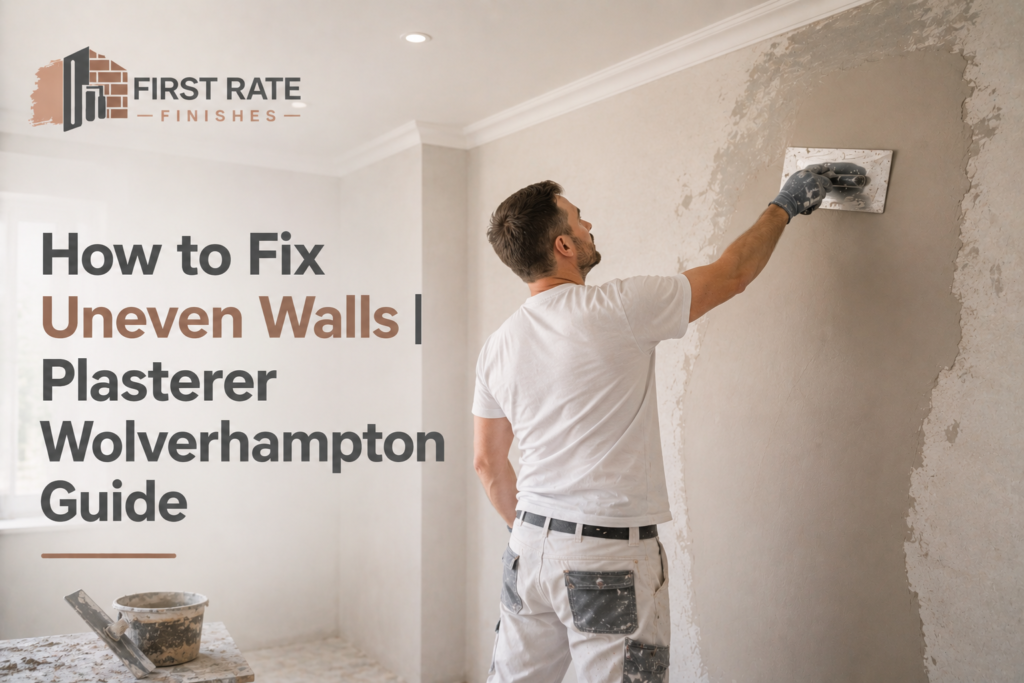
Uneven walls are a common issue in both older and newly renovated properties. They can make painting difficult, affect wallpaper adhesion, and reduce the overall appearance of a room. In many cases, what looks like a minor surface imperfection is actually a sign that the wall needs proper plastering attention. Understanding why uneven walls occur and how to fix them can help you achieve a smooth, durable finish that lasts for years. This is where hiring a skilled plasterer Wolverhampton becomes essential for high-quality results.
What Causes Uneven Walls?
Uneven walls don’t happen overnight. They are usually the result of construction methods, age, or environmental conditions affecting the structure over time.
1. Poor Original Plastering Work
One of the most common causes is low-quality or rushed plastering during construction or previous renovations. If plaster is not applied evenly or correctly levelled, it will eventually show surface imperfections.
2. Building Movement
All buildings experience slight movement due to temperature changes, soil settlement, or structural shifts. Over time, this movement can cause dips, bulges, or cracks in the plaster surface.
3. Moisture Damage
Damp walls or water leaks can weaken plaster, causing it to bubble, swell, or detach from the surface underneath. Once the plaster is compromised, uneven areas begin to form.
4. Old or Deteriorating Plaster
In older homes, plaster naturally degrades. It becomes brittle, loses adhesion, and starts to crumble or fall away in sections.
Signs Your Walls Are Uneven
Uneven walls are not always immediately obvious, but there are several signs you can look out for:
- Visible waves or dips when light hits the wall
- Gaps between the wall and skirting boards or ceilings
- Difficulty applying paint evenly
- Wallpaper bubbling or not sticking properly
- Cracks or flaking plaster in certain areas
If you notice any of these issues, it is likely that your walls require resurfacing or repair.
Why Uneven Walls Should Be Fixed
Ignoring uneven walls can lead to more than just aesthetic problems. Over time, they can affect both the appearance and durability of your property.
Key issues caused by uneven walls include:
- Poor paint and decoration finish
- Reduced property value
- Increased risk of plaster cracking
- Moisture trapping in damaged areas
- Difficulty in future renovation work
Fixing the issue early ensures a smoother finish and prevents long-term damage.
How Professionals Fix Uneven Walls
Repairing uneven walls requires more than just filling gaps. It involves a detailed process to ensure a smooth, long-lasting finish.
Step 1: Wall Assessment
A professional will inspect the wall to determine the severity of the unevenness and identify any underlying issues, such as damp or structural movement.
Step 2: Surface Preparation
Loose plaster, paint, or debris is removed. The wall is cleaned and prepared to ensure proper bonding of new materials.
Step 3: Bonding and Leveling
A bonding agent is often applied to help the new plaster adhere properly. Deep uneven areas are built up gradually to create a level surface.
Step 4: Skimming the Wall
A thin layer of finishing plaster is applied to create a smooth, even surface ready for decorating.
Step 5: Sanding and Finishing
Once dry, the wall is sanded and checked for imperfections before painting or wallpapering.
Benefits of Professional Plastering
Working with experienced plastering specialists offers several advantages:
- Smooth, high-quality finish
- Long-lasting results
- Proper surface preparation
- Faster project completion
- Reduced risk of future damage
- Improved property appearance and value
A professional finish also makes decorating easier and more effective, whether you are painting or wallpapering.
How to Prevent Walls from Becoming Uneven
Prevention is always better than repair. Here are some useful tips to maintain smooth walls:
- Address leaks and damp issues quickly
- Avoid low-quality plastering work
- Maintain good ventilation in the property
- Carry out regular property inspections
- Repair small cracks before they spread
These steps help maintain the strength and appearance of your interior walls.
Final Thoughts
Uneven walls are a common but fixable problem in many homes. Whether caused by poor workmanship, ageing materials, or structural movement, the key to a lasting solution is proper assessment and professional repair. Attempting quick fixes often leads to recurring issues and uneven finishes.
For homeowners looking for reliable results, working with a professional service such as a plasterer Wolverhampton ensures your walls are restored to a smooth, high-quality standard. Skilled plastering not only improves the appearance of your property but also adds long-term durability and value.