

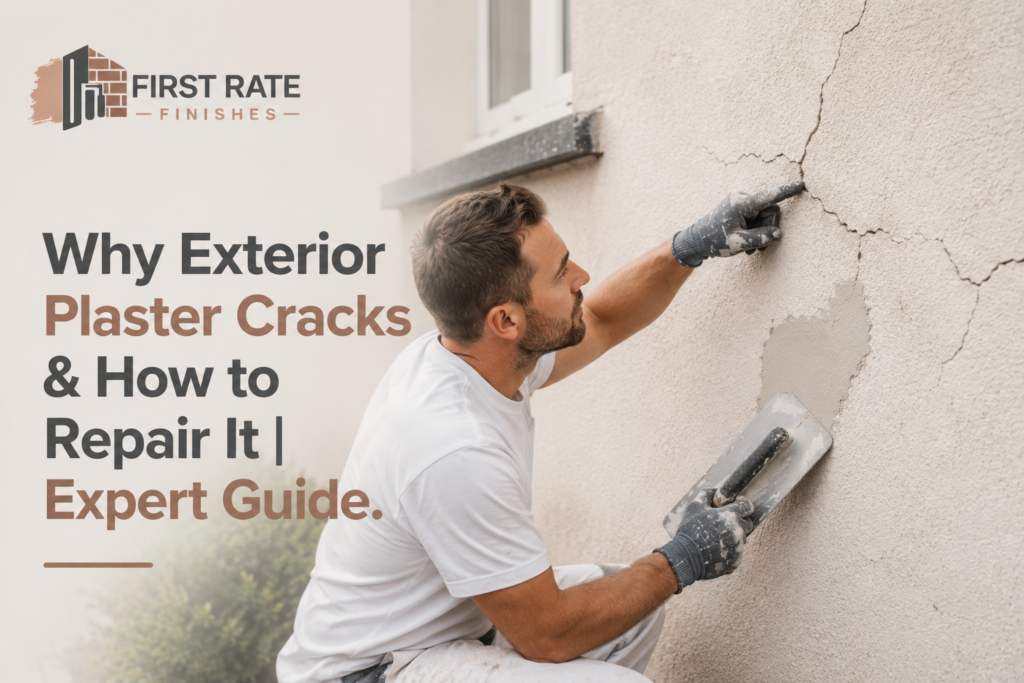
Cracks in exterior plaster are a common issue for many property owners, especially in climates where buildings are exposed to fluctuating weather conditions throughout the year. While some cracks may appear minor at first, they often indicate underlying problems that can worsen over time if not addressed properly. Understanding why exterior plaster cracks and how it can be repaired is essential for maintaining the structural integrity, insulation, and appearance of your property. In many cases, timely exterior plaster repair can prevent long-term damage and costly restoration work.
This guide explores the main causes of exterior plaster cracking, the different types of cracks, how to repair them effectively, and how to prevent them from returning.
What Causes Exterior Plaster to Crack?
Exterior plaster is designed to protect and enhance the outer surface of a building, but it is constantly exposed to environmental stress. Over time, this exposure can lead to visible cracks forming on the surface.
1. Weather Exposure and Temperature Changes
One of the most common causes of exterior plaster cracks is weathering. Constant exposure to rain, sunlight, frost, and wind causes materials to expand and contract. This repeated movement places stress on the plaster, eventually leading to cracks.
2. Structural Movement in the Building
All buildings experience some level of natural movement over time. Foundations may settle slightly, and walls may shift due to soil conditions or seasonal changes. Even minor movement can cause rigid plaster surfaces to crack.
3. Poor Application or Installation
If exterior plaster is not applied correctly, it may not bond properly to the wall surface. Issues such as incorrect mixing ratios, poor surface preparation, or applying plaster in unsuitable weather conditions can all result in premature cracking.
4. Moisture and Water Ingress
Water is one of the biggest threats to exterior plaster. Once moisture penetrates the surface, it weakens the bond between the plaster and the wall beneath. Over time, this leads to cracking, bubbling, and even detachment of sections of plaster.
5. Ageing and Material Fatigue
Like all building materials, exterior plaster deteriorates over time. Older properties are particularly prone to cracking as the material becomes brittle and loses flexibility.
Different Types of Exterior Plaster Cracks
Understanding the type of crack can help determine the severity of the issue and the appropriate repair method.
Hairline Cracks
These are very thin surface cracks that often appear due to shrinkage during drying or minor surface movement. While they may seem harmless, they can allow moisture penetration if left untreated.
Spider Cracks
These cracks form in a network pattern and are usually caused by uneven drying or poor plaster application.
Vertical Cracks
Vertical cracks may indicate natural settlement in the building or movement in the wall structure.
Horizontal Cracks
These are more serious and may suggest structural stress or potential foundation-related issues.
Deep Structural Cracks
Wide or deep cracks that extend through the plaster layer may indicate significant structural movement and require immediate attention.
Why You Should Not Ignore Exterior Plaster Cracks
Even small cracks should not be overlooked, as they can quickly lead to more serious problems.
If left untreated, cracks in exterior plaster can result in:
- Water penetration and damp issues inside the property
- Mould and mildew growth
- Reduced thermal insulation and energy efficiency
- Damage to the underlying brickwork or render
- Expansion of cracks over time
- Increased repair costs in the future
Early detection and repair are essential to prevent these issues from escalating.
How Exterior Plaster Repair Is Carried Out
Proper repair is essential to ensure the problem does not return. A professional exterior plaster repair process focuses on fixing both the surface damage and the underlying cause.
Step 1: Inspection and Diagnosis
The first step involves inspecting the affected area to determine the cause of cracking. This helps identify whether the issue is cosmetic, moisture-related, or structural.
Step 2: Preparing the Surface
Loose plaster, flaking paint, and debris are removed. The surface is cleaned thoroughly to ensure proper adhesion of repair materials.
Step 3: Crack Filling and Reinforcement
Small cracks are filled using flexible exterior-grade fillers. For larger cracks, reinforcing mesh may be applied to stabilise the area before replastering.
Step 4: Replastering or Patching
If damage is extensive, sections of plaster may need to be replaced or patched using suitable exterior plastering materials to restore an even surface.
Step 5: Smoothing and Finishing
Once the repair material has dried, the surface is sanded smooth to ensure a seamless finish.
Step 6: Sealing and Painting
Finally, a protective sealant or exterior paint is applied to protect the surface from future weather damage and moisture penetration.
DIY vs Professional Repair
While minor cracks can sometimes be repaired using DIY methods, this is often only a temporary fix.
DIY Repair May Be Suitable For:
- Very small hairline cracks
- Non-structural surface damage
- Dry and stable wall conditions
Professional Repair Is Recommended When:
- Cracks are wide or spreading
- There is evidence of damp or water ingress
- The plaster is bulging or detaching
- Structural movement is suspected
- Previous repairs have failed
Professional repair ensures that both visible damage and underlying causes are properly addressed.
How to Prevent Exterior Plaster Cracking
Preventative maintenance is key to reducing the risk of future damage. Here are some effective strategies:
Use Quality Materials
High-quality, weather-resistant plaster significantly improves durability.
Ensure Proper Installation
Correct mixing ratios and application techniques are essential for long-lasting results.
Maintain Gutters and Drainage
Blocked gutters or poor drainage can lead to water overflow and wall saturation.
Inspect Your Property Regularly
Regular inspections help identify early signs of cracking before they worsen.
Apply Protective Coatings
Weatherproof coatings or exterior paints add an extra layer of protection against moisture and UV damage.
The Importance of Timely Repairs
Delaying repairs can turn minor surface cracks into serious structural issues. Moisture penetration is one of the biggest risks associated with cracked exterior plaster, and once it begins, damage can spread quickly.
Timely intervention ensures:
- Reduced repair costs
- Improved property appearance
- Better structural protection
- Increased energy efficiency
- Longer lifespan of exterior surfaces
In many cases, early exterior plaster repair prevents the need for full replastering or costly reconstruction work.
Final Thoughts
Exterior plaster cracking is a common but important issue that should never be ignored. While some cracks may appear minor, they often indicate underlying problems that can worsen over time. By understanding the causes, identifying the type of crack, and applying the correct repair methods, homeowners can protect their property from long-term damage.
Whether dealing with small surface cracks or more serious structural issues, professional repair ensures durability, weather resistance, and a clean finish. Proper maintenance and timely attention are the keys to keeping your exterior walls strong and visually appealing for years to come.
For reliable and high-quality results, First Rate Finishes provides expert plastering services, including both interior and exterior plaster repair solutions. Their skilled workmanship ensures smooth, long-lasting finishes that restore and protect your property to a professional standard.